Living Lab
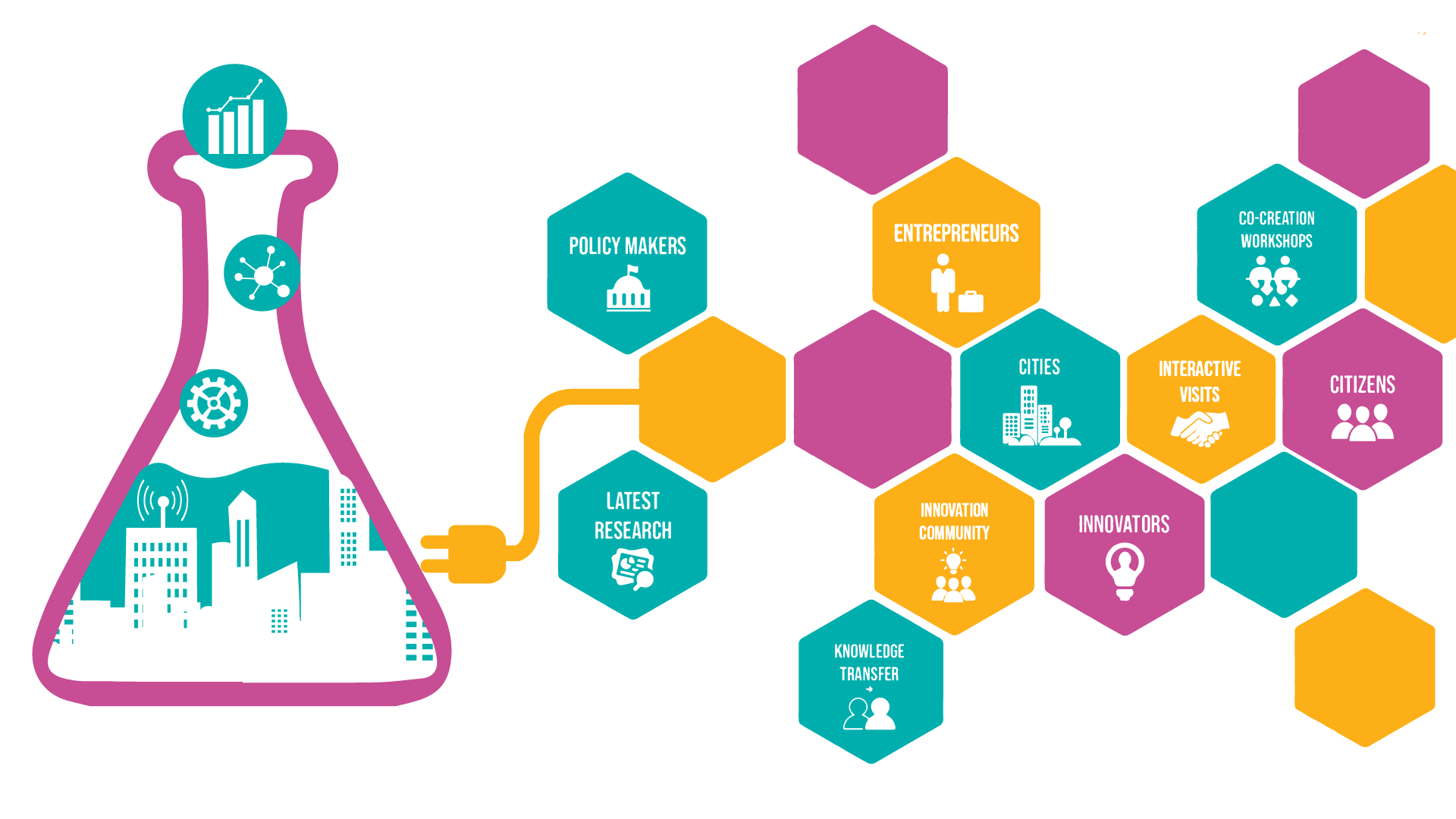
A Living Lab is a user-centered, real-world experimentation environment in which researchers, citizens, public authorities, and industry partners collaboratively design, test, and evaluate new solutions in everyday settings. In the domain of mobility, this means moving beyond purely theoretical models and simulations toward co-creation and in-situ validation of interventions.
Living Lab at XMo Lab
At XMo Lab, together with the SpatialHCI Lab, we realize Living Labs as structured, data-driven experimentation spaces where mobility policies and infrastructure interventions can be prototyped, simulated, and evaluated before large-scale implementation. We combine mobility modeling, behavioral analysis, and graph-based simulations (XMo) with immersive technologies such as Virtual and Augmented Reality, user studies, and human-computer interaction methods (SpatialHCI) to assess both objective system performance and subjective user experience. This integrated approach allows us to test how policy measures (such as street redesigns, safety interventions, or multimodal accessibility improvements) affect travel behavior, perceived safety, and inclusiveness. By embedding stakeholders and citizens directly into the evaluation process, our Living Lab framework supports evidence-based, human-centered mobility planning and more resilient urban policy design.